
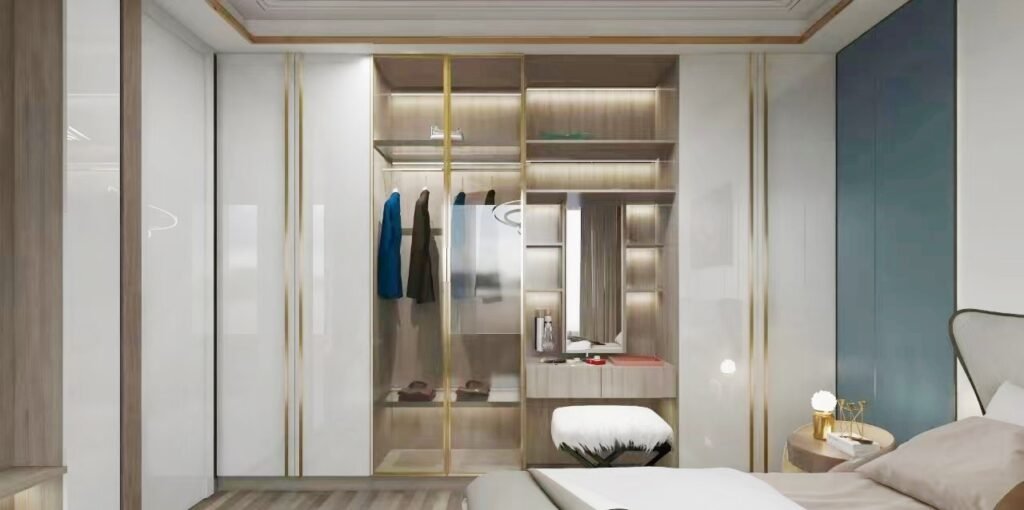
You’ve sprayed on the premium lacquer, invested in the perfect curing environment, but the final result still looks wavy, dull, or—even worse—like an orange peel. Frustrating, isn’t it? Before you blame the paint or the spray gun again, let’s turn the spotlight onto the stage itself: the substrate. In high-gloss applications, the panel isn’t just a base; it’s the co-star. And choosing the wrong one is the most common, yet often overlooked, reason for failure.
The Mirror Effect–Why Gloss is Unforgiving
A matte finish can hide a multitude of sins. A high-gloss finish, with its mirror-like reflectivity, exposes every single one. We’re not just talking about visible scratches or dents. We’re talking about micro-imperfections–variations in density that absorb finish differently, or surface texture undetectable to the naked hand until it’s under a coat of reflective paint. This is why a board that works perfectly for a melamine or vinyl wrap can become a nightmare for a high-gloss lacquer job.
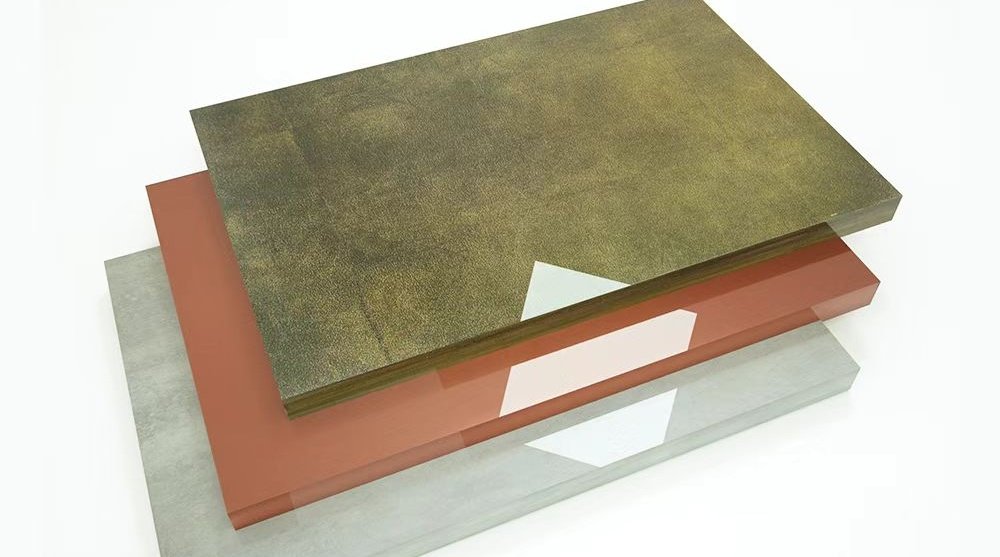
The Two Pillars of a Perfect Gloss Substrate
To pass the high-gloss test, your panel needs to excel in two areas:
- 1. Density & Core Uniformity: The “Hunger” Factor
Think of a low-density panel as a sponge. It has a higher “hunger” for resin, paint, and filler. Inconsistent density across the sheet leads to uneven absorption, causing patches with differing sheen levels and even telegraphing—where the internal chip or fiber pattern subtly shows through the finish. A truly high-density core (we insist on 720-760kg/m³ for our paint-grade boards) absorbs finish minimally and uniformly, giving you a consistent, predictable result across the entire sheet and from batch to batch.
- 2. Surface Perfection: Beyond “Smooth to the Touch”
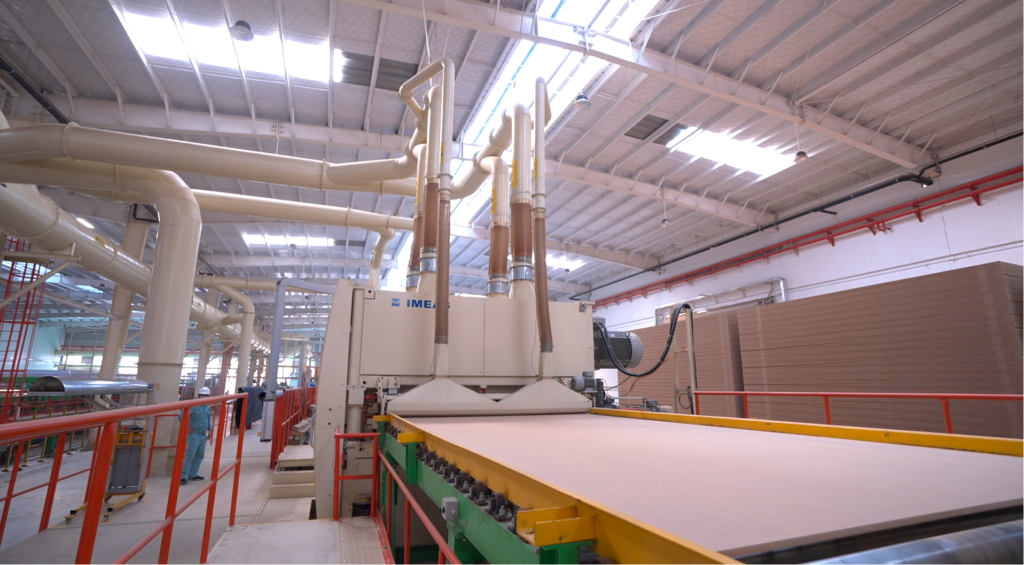
Many suppliers will tell you their board is “smooth.” For high-gloss, you need to ask, “How is it sanded?” A board meant for lamination might have a slightly textured surface to improve glue adhesion—a disaster for gloss. The substrate needs to be sanded with fine-grit abrasives under precise tension to achieve a closed, almost glass-like surface. At our factory, we use four Italian Imas sanders to eliminate any directional grain or micro-scratches. The goal isn’t just smooth; it’s optically flat.
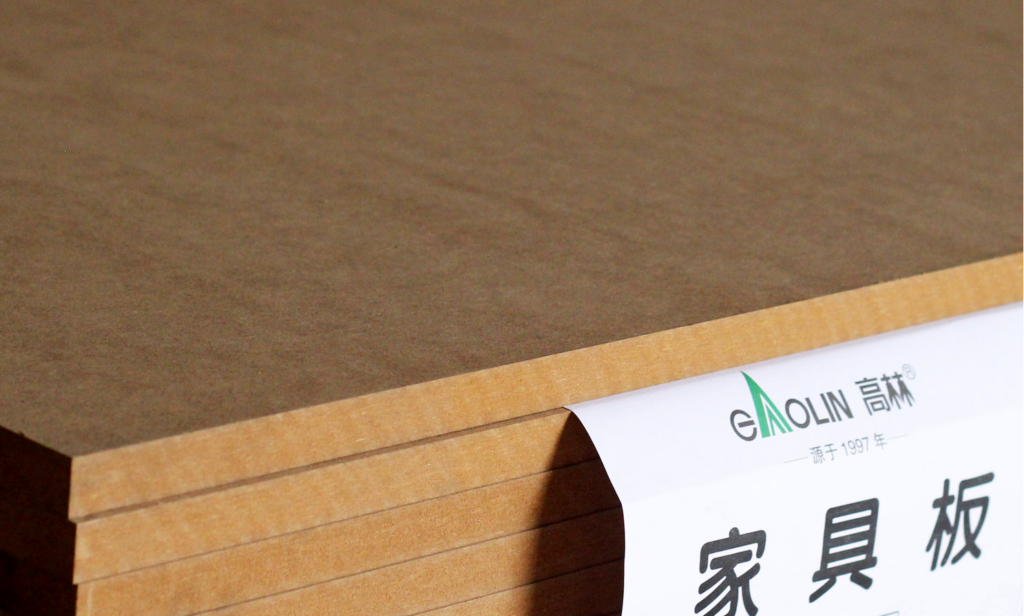
Next time you specify a panel for a high-gloss project, don’t just ask for “MDF.” Ask for the density data and the surface finishing process. Better yet, request a sample and do a mirror test yourself: spray a high-gloss black paint on it and examine it under a strong sidelight. The truth will be reflected back at you, perfectly.
Struggling with inconsistent finishes? Download our technical specification for Gaolin’s High-Density Paint-Grade MDF to see the exact parameters we control to ensure a flawless base.